Choosing a Pharmacy Fridge
Choose a pharmacy refrigerator to suit the medicines being stored, available space, stock volume, pharmacy workflow, monitoring requirements and security needs.
What to Consider When Buying a Pharmacy Fridge
A pharmacy fridge should provide reliable temperature-controlled storage for medicines and other therapeutic goods while fitting the way stock is received, organised and accessed within the pharmacy.
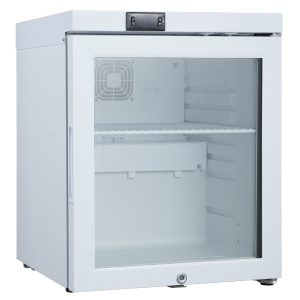
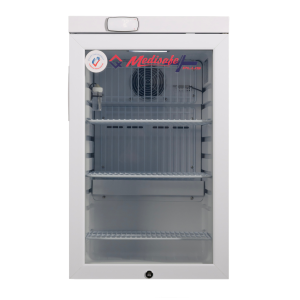
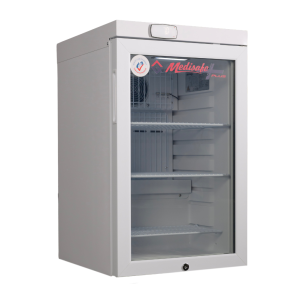
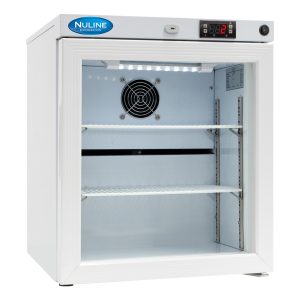
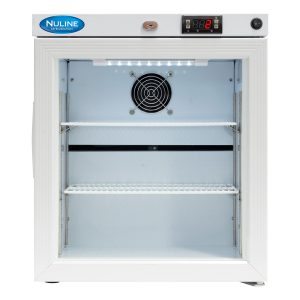
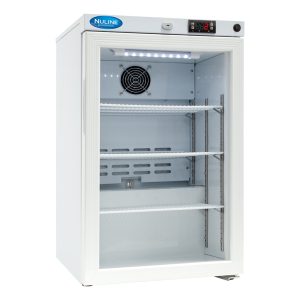
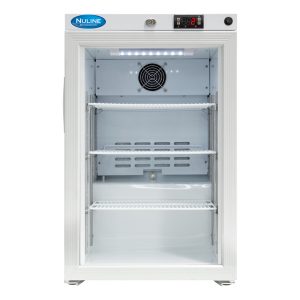
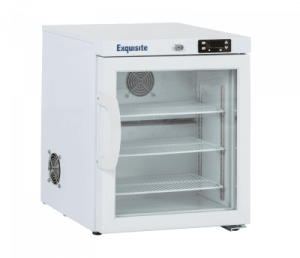
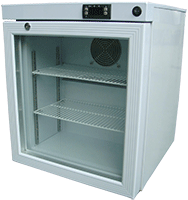
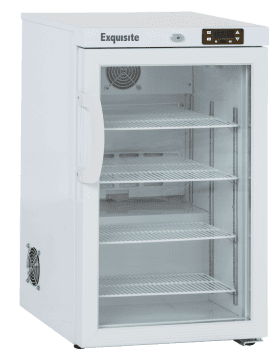
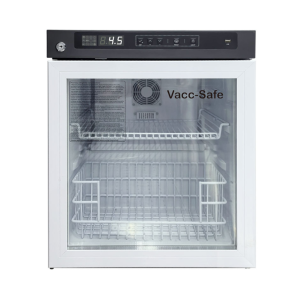
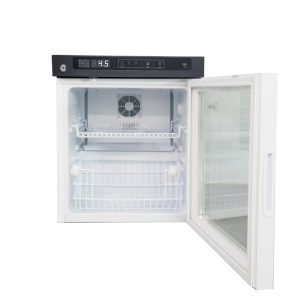
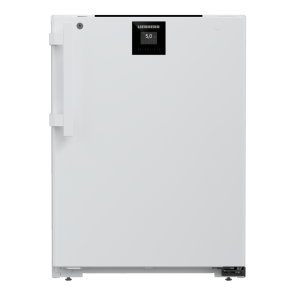
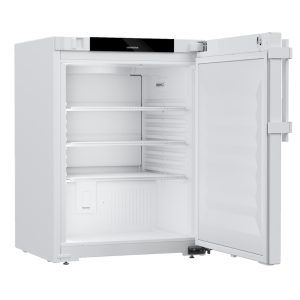
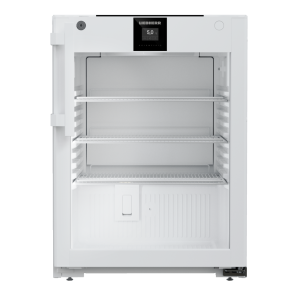
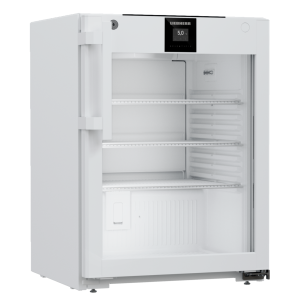
Community pharmacies commonly use upright glass-door pharmacy refrigerators because they provide useful stock capacity and allow staff to see products before opening the door. Smaller dispensaries may prefer an under-counter or benchtop pharmacy fridge, while hospital pharmacies and high-volume dispensaries may require large-capacity pharmacy refrigerators or multi-door cabinets.
Compare usable internal capacity rather than external cabinet size alone. Allow sufficient space for normal stock levels, seasonal increases and effective air circulation without overcrowding the refrigerator.
Pharmacy Fridge Checklist
- Required storage temperature
- Usable internal capacity
- External dimensions and ventilation clearance
- Under-counter or upright installation
- Glass or solid door
- Door lock and access control
- High and low temperature alarms
- Minimum/maximum temperature display
- Data logging and remote monitoring
- Power failure contingency planning
- Warranty and servicing requirements
Pharmacy Fridge Size and Configuration
The most suitable pharmacy refrigerator depends on stock volume, available space and how frequently staff need to access refrigerated medicines.
Under-Counter, Upright or Large Capacity?
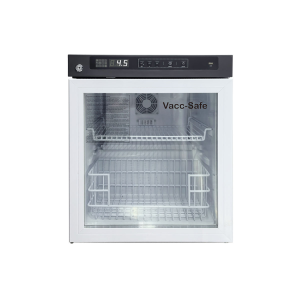
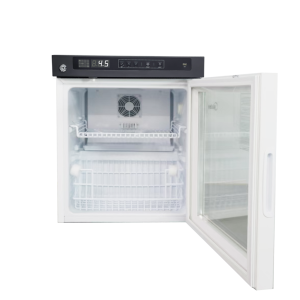
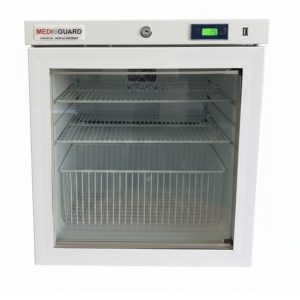
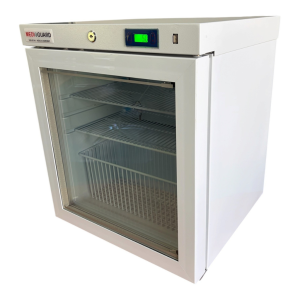
Under-counter and benchtop pharmacy fridges suit smaller dispensaries, lower stock volumes and locations where floor space is limited. Their compact dimensions can make them easier to incorporate into existing pharmacy cabinetry and work areas.
Upright pharmacy fridges provide more capacity and are commonly used where a pharmacy needs greater shelf space, better stock organisation and convenient access to frequently used medicines.
Large-capacity pharmacy refrigerators are suited to hospital pharmacies, large dispensaries and other facilities storing higher volumes of temperature-sensitive pharmaceutical stock. Multi-door models can provide substantial capacity while allowing stock to be divided into separate sections.
Glass Door or Solid Door Pharmacy Fridge?
A glass-door pharmacy fridge allows staff to see stock before opening the refrigerator. This can make products easier to locate and may reduce unnecessary door openings in busy dispensaries.
A solid-door pharmacy fridge may be preferred where stock visibility is less important or where privacy and cabinet insulation are higher priorities.
The best choice depends on how often the refrigerator is accessed, the surrounding room conditions, stock-management procedures and whether visibility or insulation is more important for the installation.
Pharmacy Fridge Temperature, Monitoring and Alarms
Temperature-sensitive medicines need to be stored according to the conditions specified for each product, with suitable monitoring and procedures to identify temperature excursions.
Many refrigerated medicines and therapeutic goods require storage between +2°C and +8°C. The correct storage conditions should always be confirmed from the product information and the requirements applying to the pharmacy.
Purpose-built pharmacy refrigerators may include features such as digital temperature displays, minimum and maximum temperature recording, high and low temperature alarms, door-open alarms, locks and remote alarm contacts. Features vary between models, so they should be compared against the needs of the pharmacy rather than assumed to be standard on every refrigerator.
Additional temperature monitoring can include minimum/maximum thermometers, downloadable data loggers and automated systems capable of sending remote alerts. Remote monitoring can be particularly useful where a temperature excursion or power failure occurs outside normal opening hours.
Pharmacy Fridges, Medicines and Vaccines
Pharmacy refrigeration and vaccine refrigeration overlap, but they are not identical purchasing requirements.
A pharmacy refrigerator may be selected for the storage of refrigerated medicines and other therapeutic goods used within a dispensary or hospital pharmacy. Almost all pharmacy refrigerators are also suitable for vaccines, which is why many models appear in both pharmacy and vaccine applications.
Where vaccine storage is the primary requirement, the refrigerator should be selected specifically for vaccine cold-chain storage. Australia's Strive for 5 guidelines specify the use of a purpose-built vaccine refrigerator for vaccines.
For vaccine-specific models, storage guidance and cabinet configurations, see ENLAKE's Vaccine Fridges Australia range.
Pharmacy Fridge Security and Controlled Medicines
Consider both temperature control and access control when storing refrigerated medicines.
Pharmacy refrigerators include a lockable door to restrict access to refrigerated stock. The required level of security depends on the medicines being stored and the regulatory requirements applying in the relevant state or territory.
Where a controlled medicine such as a Schedule 8 drug requires refrigerated storage, a general pharmacy refrigerator may not provide the required level of security. ENLAKE also supplies specialist Schedule 8 drug refrigerators for applications requiring secure refrigerated storage.
Power Failure and Pharmacy Refrigeration
A power outage can put temperature-sensitive pharmaceutical stock at risk, so contingency planning should form part of pharmacy refrigerator management.
Consider how staff will be alerted to a power failure, how long the refrigerator can maintain acceptable storage conditions and what alternative storage is available if an outage continues.
A suitably sized uninterruptible power supply (UPS) can keep selected refrigeration equipment operating for a limited period during a power interruption. Runtime depends on the refrigerator's electrical load, the UPS and battery capacity, so backup systems should be sized for the specific refrigerator rather than selected solely by cabinet volume.
Remote temperature and power-failure monitoring can provide additional warning when problems occur outside normal pharmacy hours.
Australian Pharmacy Accreditation and Refrigerated Storage
Community pharmacy accreditation is transitioning from QCPP to the Quality and Safety Pharmacy Program (QSPP), which assesses pharmacies against the Australian Community Pharmacy Standard AS85000:2024.
Current pharmacy cold-chain guidance requires temperature-sensitive therapeutic goods to be stored in purpose-built refrigeration designed for therapeutic goods, with appropriate temperature monitoring and refrigerator maintenance arrangements.
Because accreditation requirements and state or territory obligations can change, pharmacies should check the requirements applying at the time of purchase and assessment rather than relying solely on a refrigerator being described as "compliant".
ENLAKE can help compare pharmacy refrigerators from different manufacturers according to cabinet size, temperature-control features, monitoring, alarms, security, installation requirements and budget.
Pharmacy Fridge FAQs
Answers to common questions about pharmacy refrigerators, medicine storage, temperature monitoring, size and configuration.