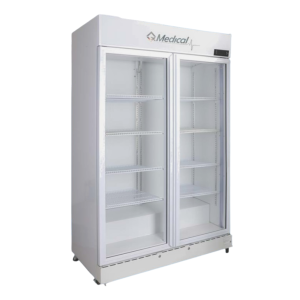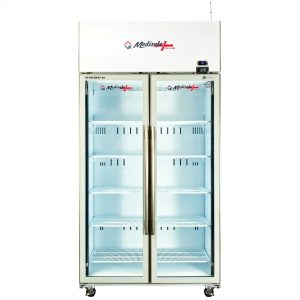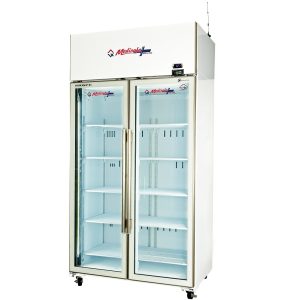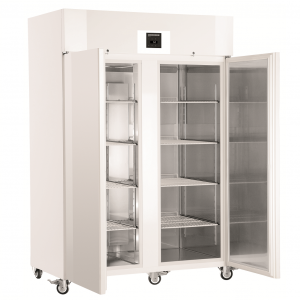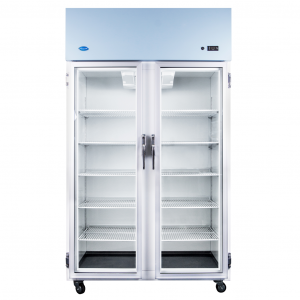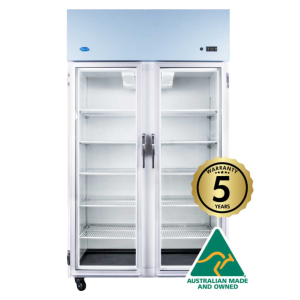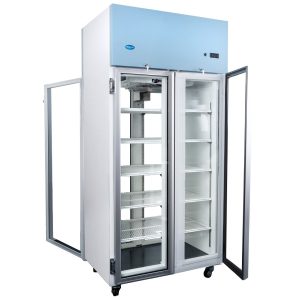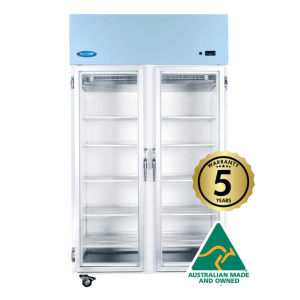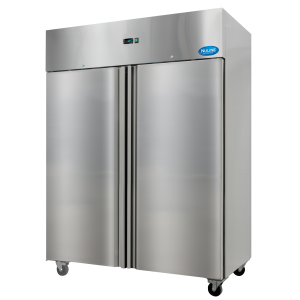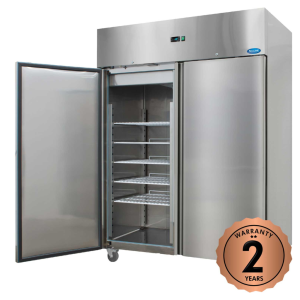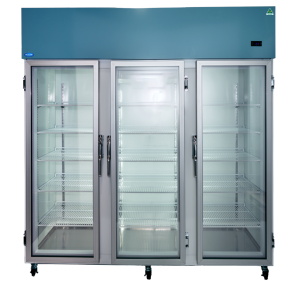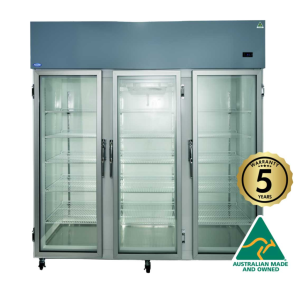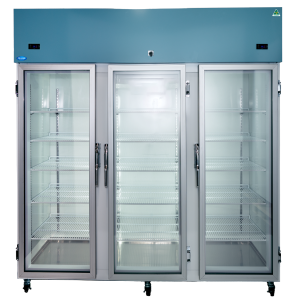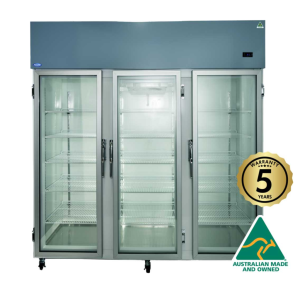
What is a vaccine fridge?
A vaccine fridge is a purpose-built medical refrigerator designed to store vaccines between 2°C and 8°C. This is the recommended temperature range for vaccine storage in Australia, with 5°C used as the target midpoint under the Strive for 5 guidelines.
Purpose-built vaccine fridges are the only suitable option for vaccine storage. Unlike domestic fridges or bar fridges, they are designed to maintain a stable, uniform and controlled cabinet temperature, with features that help protect vaccines from heat, freezing and temperature fluctuations.
Vaccine fridges are commonly used in medical centres, pharmacies, hospitals, veterinary clinics, laboratories and other healthcare settings. Depending on the model, they may include fan-forced air circulation, high and low temperature alarms, minimum and maximum temperature displays, inbuilt data logging, fast temperature recovery after door opening, lockable doors and remote alarm options.
ENLAKE supplies benchtop, under-counter, upright, glass-door, solid-door and large-capacity vaccine fridges, including both Australian-made and imported models. We can help you compare size, capacity, features, price, warranty, monitoring options and operating environment so you can choose a vaccine fridge suited to your facility and cold chain requirements.
What temperature should a vaccine fridge maintain?
A vaccine fridge should maintain vaccines between 2°C and 8°C. In Australia, this range is set out in the National Vaccine Storage Guidelines, known as Strive for 5, because vaccine providers are encouraged to aim for 5°C, the midpoint between 2°C and 8°C.
The lower end of the temperature range is especially important. Vaccines can be damaged by freezing, and this damage may not be visible. Any reading below 2°C should be treated seriously and managed according to cold chain procedures.
A brief rise above 8°C can occur during normal use, such as restocking, checking stock or opening the fridge door. Under Strive for 5, a temperature deviation up to 12°C for 15 minutes or less does not usually require reporting as a cold chain breach, provided the temperature does not fall below 2°C. Any temperature below 2°C, above 8°C for longer than 15 minutes, or above 12°C should be managed according to cold chain procedures.
Good temperature performance is not just about the set point. Vaccines need adequate space around the contents so cold air can circulate properly. Purpose-built vaccine fridges are designed to promote consistent airflow throughout the cabinet, using features such as fan-assisted circulation and wire shelving to help maintain a more uniform temperature. Overfilling the fridge or packing products tightly against the cabinet walls can reduce airflow and temperature stability.
Quality vaccine fridges typically include barriers, guards or shelving designs with additional wire supports to help prevent stored contents from coming into direct contact with the rear cooling surface. This matters because the rear of the fridge can be colder than other areas, depending on the model.
ENLAKE can help you choose a vaccine fridge with the right capacity, airflow design, shelving, temperature monitoring and alarm features for your medical centre, pharmacy, hospital, veterinary clinic or laboratory.
What does Strive for 5 mean?
Strive for 5 is the name commonly used for Australia’s National Vaccine Storage Guidelines. The phrase refers to aiming for 5°C when storing vaccines, because 5°C is the midpoint between the recommended vaccine storage range of 2°C and 8°C.
The idea is to give vaccine providers a practical operating target, not just a minimum and maximum range. By aiming for the middle of the range, there is more buffer if the fridge temperature moves slightly during normal use, such as when the door is opened or stock is checked.
Strive for 5 also covers broader vaccine storage management, including refrigerator selection, temperature monitoring, staff procedures, cold chain breach response, power failure planning, vaccine transport and storage self audits.
ENLAKE can help you choose a purpose-built vaccine fridge with the temperature control, monitoring and alarm features needed to support Strive for 5 vaccine storage practices.
Can vaccines be stored in a domestic fridge?
No. Vaccines should not be stored in a domestic fridge, bar fridge, commercial fridge or industrial fridge. The National Vaccine Storage Guidelines state that purpose-built vaccine refrigerators are the only suitable option for vaccine storage.
Domestic fridges are designed for food and drink, not vaccine storage. Food refrigeration commonly aims to keep food at 5°C or below, which can mean parts of the fridge become too cold for vaccines. Vaccines need a controlled storage range of 2°C to 8°C. If vaccines become too cold or freeze, their potency may be reduced or destroyed, and this damage may not be visible.
The differences are real and important. Many domestic fridges do not have digital temperature controllers, fan-assisted air circulation, high and low temperature alarms, minimum and maximum temperature displays, data logging, suitable shelving or cabinet designs that help maintain uniform temperature throughout the fridge. They can also have cold spots, especially near the rear cooling surface or freezer section.
A purpose-built vaccine fridge is designed to provide more stable and controlled vaccine storage, with better airflow, temperature monitoring, alarm functions and stock protection.
ENLAKE supplies purpose-built vaccine fridges for medical centres, pharmacies, hospitals, veterinary clinics and laboratories, and can help you choose a model suited to your storage volume, available space and cold chain requirements.