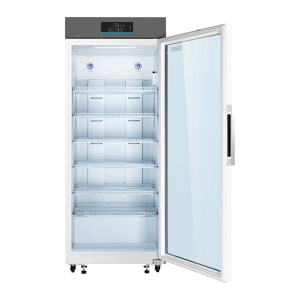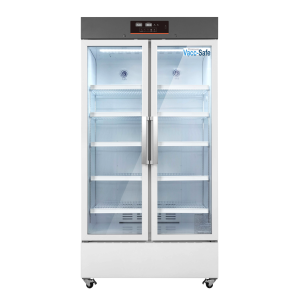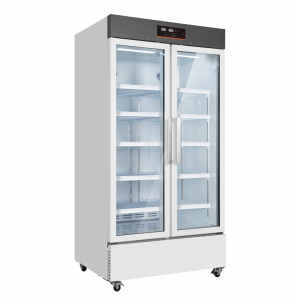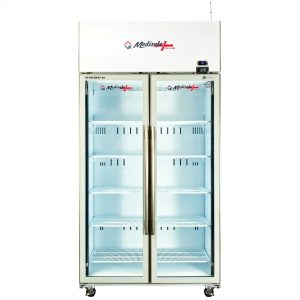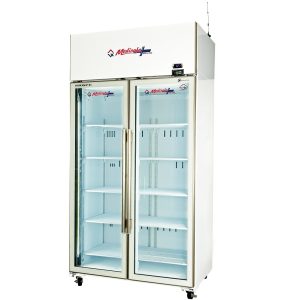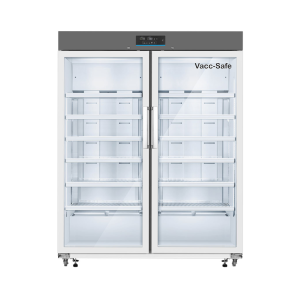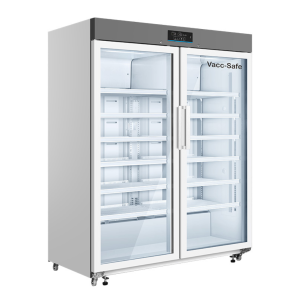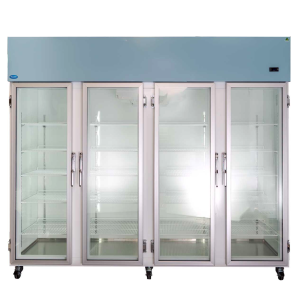
A vaccine fridge paired with a UPS
✓
Vaccine Fridge Compliance
Vaccine Fridge Compliance
- Strive for 5 +2°C to +8°C storage
- QCPP pharmacy-suitable options
- Data logging temperature records & alarms
- Backup power cold-chain protection

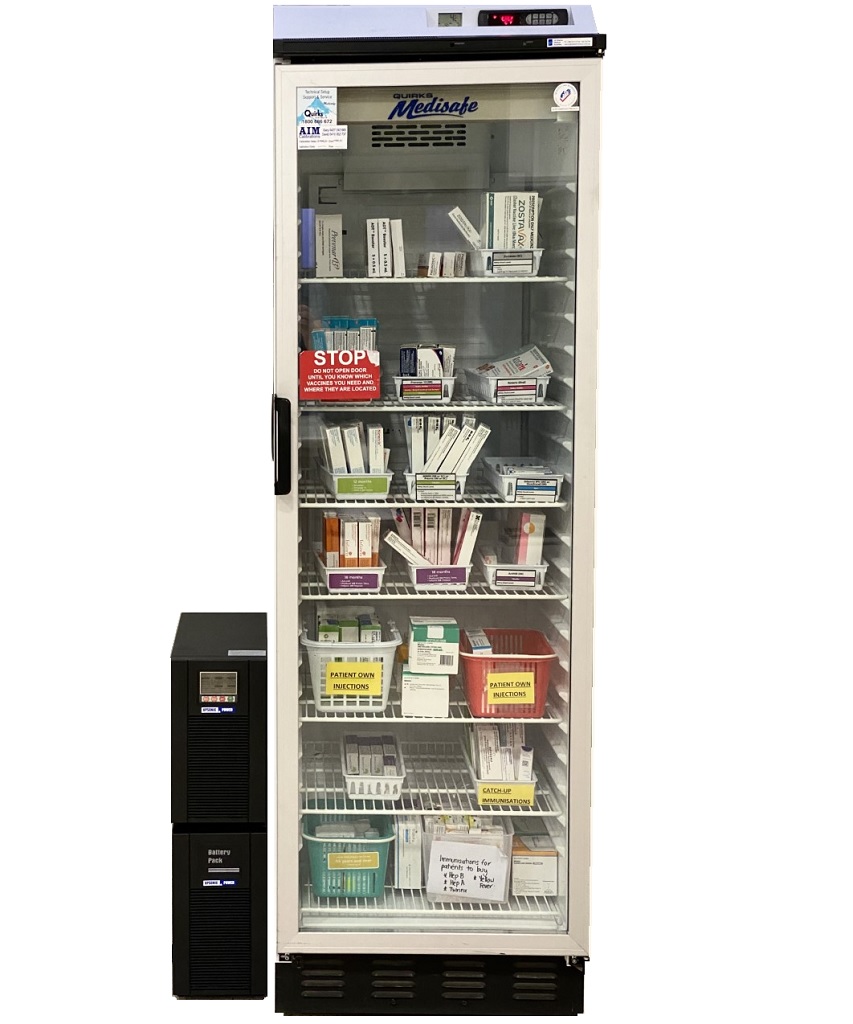
A vaccine fridge paired with a UPS
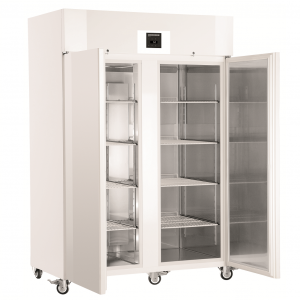
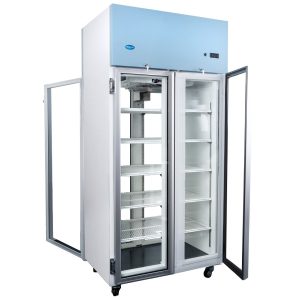
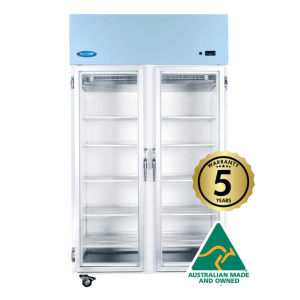
ENLAKE supplies one of Australia’s largest ranges of vaccine fridges and vaccine fridge accessories. This category covers purpose-built vaccine fridges for medical centres, pharmacies, hospitals, veterinary clinics and laboratories, including benchtop, under-counter, upright, large-capacity, glass-door and solid-door vaccine fridge models.
With many makes, sizes and configurations available, ENLAKE can help you choose a medical fridge suited to your cold-chain requirements, budget, usage pattern, operating environment and required storage volume.
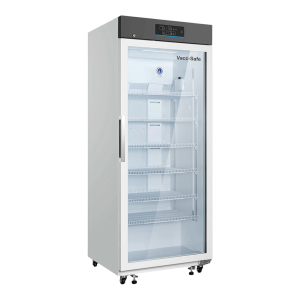
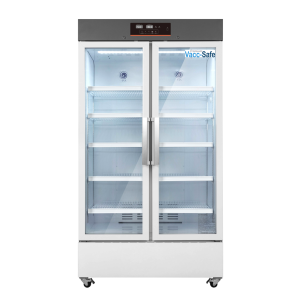
The Vacc-Safe VS606P Premium Pharmacy Refrigerator is a 606L medical fridge designed for reliable vaccine and pharmaceutical storage,
In stock
Introducing the Vacc-Safe PowerGuard, a revolutionary medical refrigerator born from the partnership of PSS and Vacc-Safe. This cutting-edge
In stock
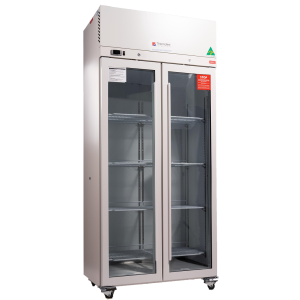
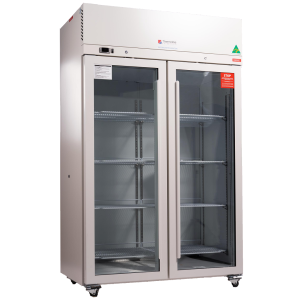
A 750 litre Thermoline laboratory refrigerator with two doors. This refrigerator is suitable for use in hospitals, medicals
Made to order
A 750 litre Thermoline labotoray refrigerator with two doors. This refrigerator is suitable for use in hospitals, medicals
Made to order
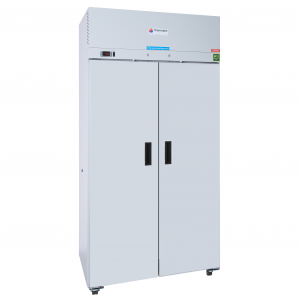
A 750 litre Thermoline pharmaceutical grade refrigerator with two doors. This refrigerator is suitable for use in hospitals,
Made to order
A 750 litre Thermoline pharmaceutical refrigerator with two doors. This refrigerator is suitable for use in hospitals, medicals
Made to order
The Vacc-Safe VS750P features perfect audible & visual alarm systems: High and low temperature alarm, power failure, sensor
In stock
Avem Quirks Medisafe Plus 1000 has a volume of 980 litres. It includes a cloud based monitoring system
Made to order - 3 weeks
Introducing the Vacc-Safe PowerGuard, a revolutionary medical refrigerator born from the partnership of PSS and Vacc-Safe. This cutting-edge fridge
In stock
Offer ends on 30/06/2026
The LIEBHERR SRPvh 6501 is an ultra-efficient laboratory fridge designed to minimise energy
In stock
Offer ends on 30/06/2026
The LIEBHERR SRPvh 6511 is an ultra-efficient laboratory fridge designed to minimise energy
In stock
Please note clearance models come with 2 years warranty.
The Liebherr LKPv 1420 is the refrigerator
In stock
The Nuline NLM1000/2 Passthrough Refrigerator is designed and built in Australia specifically for use in large pharmacies and
Made to order
Offer ends on 30/06/2026
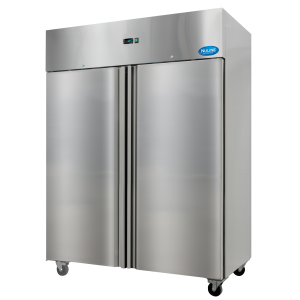
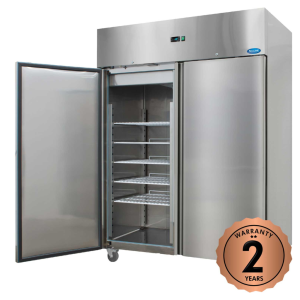
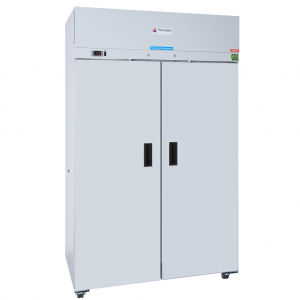
This Nuline vaccine refrigerator is constructed from stainless steel and has solid doors.
Typically in stock - Call 1800 094 259
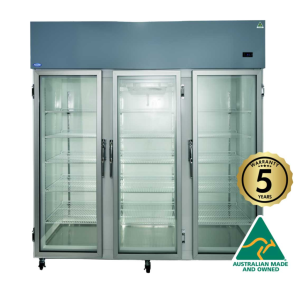
The Nuline NMM1614/3 Pharmacy Fridge is designed and built in Australia specifically for use in large pharmacies and
Made to order
Two independent Nuline refrigeration systems ensure that your stock stays at the correct temperature, even in the unlikely
Made to order. Typically 3 - 4 weeks
A 950 litre Thermoline laboratory refrigerator with two doors. This pharmacy grade refrigerator is suitable for use in
Made to order
A 950 litre Thermoline laboratory fridge with two doors. This pharmacy grade refrigerator is suitable for use in
Made to order
A 950 litre Thermoline pharmacy refrigerator with two doors. This pharmacy grade refrigerator is suitable for use in
Made to order
A 950 litre Thermoline medical fridge with two doors. This pharmacy grade refrigerator is suitable for use in
Made to order
The Vacc-Safe VS1006P features a DC Turbo Fan which provides high energy efficiency, low noise and a long
In stock
Offer ends on 30/06/2026 or while stocks last
The Vacc-Safe VS1366P is a 1366L two-door vaccine
In stock
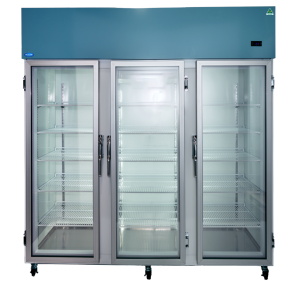
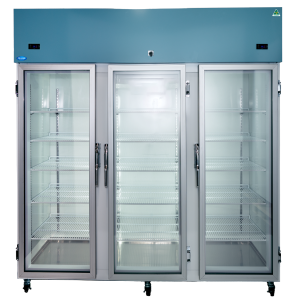
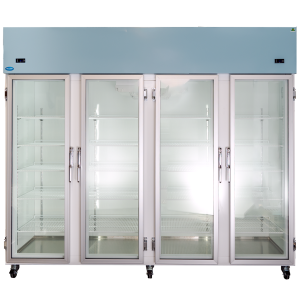
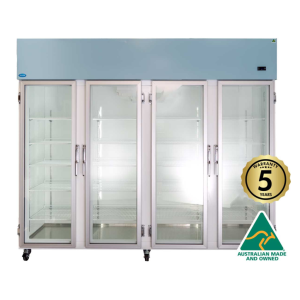
The Nuline NLM2170/4 Lab Fridge is designed and built in Australia specifically for use in large pharmacies and
Made to order
Two independent Nuline refrigeration systems ensure that your stock stays at the correct temperature, even in the unlikely
Made to order. Typically 3 - 4 weeks
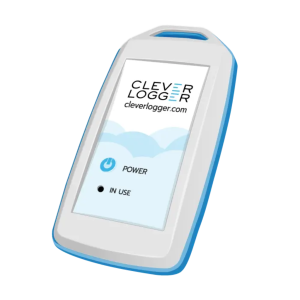
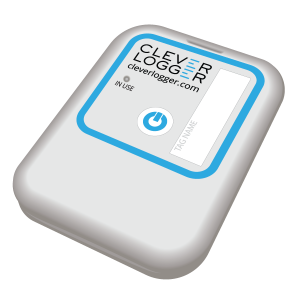
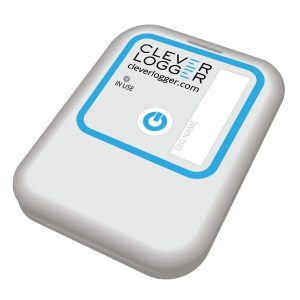
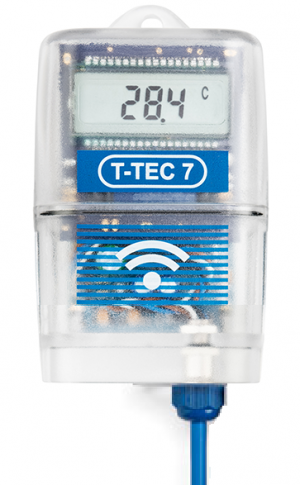
The Clever Logger can provide you with instant alerts and automatic temperature reports to your CLG-01 Gateway.
In stock
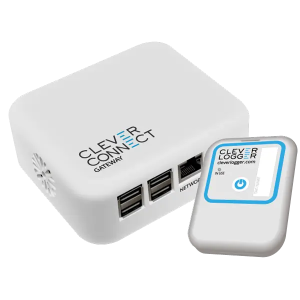
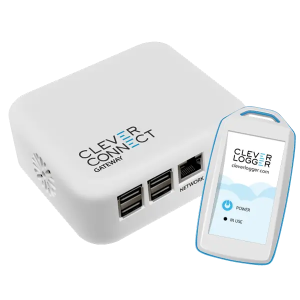
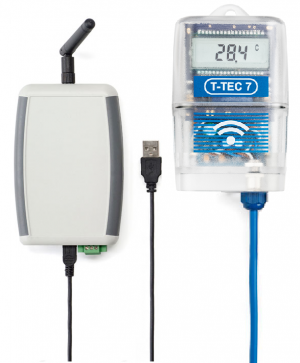
If your modem is near your vaccine fridge then the CleverLogger Starter Kit can provide you with instant alerts
In stock
If your modem is near your vaccine fridge then the CleverLogger Starter Kit can provide you with instant alerts
In stock
The Clever Logger can provide you with instant alerts and automatic temperature reports to your CLG-01 Gateway.
In stock
An additional wireless data logger. You will need to have either a: Wireless Data Logger Starter Kit or a Wireless
In stock. Typically shipped in 1-2 weeks
The Intrinsically Safe Wireless Data Logger Starter Kit features a special temperature sensor, a barrier/isolator with certificate, gateway and
In stock. Typically shipped in 1-2 weeks
Choose a purpose-built vaccine refrigerator that suits your stock volume, available space,
room conditions, access pattern and cold chain procedure. In Australia, vaccine storage is
guided by Strive for 5, with vaccines stored between +2°C and +8°C
and +5°C used as the target temperature.
Before choosing a model, compare usable capacity, cabinet size, door type, alarms,
temperature monitoring, ventilation clearances and backup power options.
Choosing a vaccine fridge
Strive for 5 vaccine storage
Purpose-built vs domestic fridges
Glass-door vs solid-door vaccine fridges
Vaccine fridge FAQ
A vaccine fridge is a purpose-built medical refrigerator designed to store vaccines between 2°C and 8°C. This is the recommended temperature range for vaccine storage in Australia, with 5°C used as the target midpoint under the Strive for 5 guidelines.
Purpose-built vaccine fridges are the only suitable option for vaccine storage. Unlike domestic fridges or bar fridges, they are designed to maintain a stable, uniform and controlled cabinet temperature, with features that help protect vaccines from heat, freezing and temperature fluctuations.
Vaccine fridges are commonly used in medical centres, pharmacies, hospitals, veterinary clinics, laboratories and other healthcare settings. Depending on the model, they may include fan-forced air circulation, high and low temperature alarms, minimum and maximum temperature displays, inbuilt data logging, fast temperature recovery after door opening, lockable doors and remote alarm options.
ENLAKE supplies benchtop, under-counter, upright, glass-door, solid-door and large-capacity vaccine fridges, including both Australian-made and imported models. We can help you compare size, capacity, features, price, warranty, monitoring options and operating environment so you can choose a vaccine fridge suited to your facility and cold chain requirements.
A vaccine fridge should maintain vaccines between 2°C and 8°C. In Australia, this range is set out in the National Vaccine Storage Guidelines, known as Strive for 5, because vaccine providers are encouraged to aim for 5°C, the midpoint between 2°C and 8°C.
The lower end of the temperature range is especially important. Vaccines can be damaged by freezing, and this damage may not be visible. Any reading below 2°C should be treated seriously and managed according to cold chain procedures.
A brief rise above 8°C can occur during normal use, such as restocking, checking stock or opening the fridge door. Under Strive for 5, a temperature deviation up to 12°C for 15 minutes or less does not usually require reporting as a cold chain breach, provided the temperature does not fall below 2°C. Any temperature below 2°C, above 8°C for longer than 15 minutes, or above 12°C should be managed according to cold chain procedures.
Good temperature performance is not just about the set point. Vaccines need adequate space around the contents so cold air can circulate properly. Purpose-built vaccine fridges are designed to promote consistent airflow throughout the cabinet, using features such as fan-assisted circulation and wire shelving to help maintain a more uniform temperature. Overfilling the fridge or packing products tightly against the cabinet walls can reduce airflow and temperature stability.
Quality vaccine fridges typically include barriers, guards or shelving designs with additional wire supports to help prevent stored contents from coming into direct contact with the rear cooling surface. This matters because the rear of the fridge can be colder than other areas, depending on the model.
ENLAKE can help you choose a vaccine fridge with the right capacity, airflow design, shelving, temperature monitoring and alarm features for your medical centre, pharmacy, hospital, veterinary clinic or laboratory.
Strive for 5 is the name commonly used for Australia’s National Vaccine Storage Guidelines. The phrase refers to aiming for 5°C when storing vaccines, because 5°C is the midpoint between the recommended vaccine storage range of 2°C and 8°C.
The idea is to give vaccine providers a practical operating target, not just a minimum and maximum range. By aiming for the middle of the range, there is more buffer if the fridge temperature moves slightly during normal use, such as when the door is opened or stock is checked.
Strive for 5 also covers broader vaccine storage management, including refrigerator selection, temperature monitoring, staff procedures, cold chain breach response, power failure planning, vaccine transport and storage self audits.
ENLAKE can help you choose a purpose-built vaccine fridge with the temperature control, monitoring and alarm features needed to support Strive for 5 vaccine storage practices.
No. Vaccines should not be stored in a domestic fridge, bar fridge, commercial fridge or industrial fridge. The National Vaccine Storage Guidelines state that purpose-built vaccine refrigerators are the only suitable option for vaccine storage.
Domestic fridges are designed for food and drink, not vaccine storage. Food refrigeration commonly aims to keep food at 5°C or below, which can mean parts of the fridge become too cold for vaccines. Vaccines need a controlled storage range of 2°C to 8°C. If vaccines become too cold or freeze, their potency may be reduced or destroyed, and this damage may not be visible.
The differences are real and important. Many domestic fridges do not have digital temperature controllers, fan-assisted air circulation, high and low temperature alarms, minimum and maximum temperature displays, data logging, suitable shelving or cabinet designs that help maintain uniform temperature throughout the fridge. They can also have cold spots, especially near the rear cooling surface or freezer section.
A purpose-built vaccine fridge is designed to provide more stable and controlled vaccine storage, with better airflow, temperature monitoring, alarm functions and stock protection.
ENLAKE supplies purpose-built vaccine fridges for medical centres, pharmacies, hospitals, veterinary clinics and laboratories, and can help you choose a model suited to your storage volume, available space and cold chain requirements.
To choose the right vaccine fridge, consider your stock volume, available space, operating environment, required temperature monitoring, alarm requirements, power backup needs, warranty, delivery requirements and budget.
Small medical centres and consulting rooms may suit a benchtop or under-counter vaccine fridge. Pharmacies, hospitals, laboratories and larger clinics may need an upright or large-capacity vaccine fridge. Sites with high vaccine value, higher traffic or after-hours risk should also consider data logging, wireless alerts and UPS backup power.
The best option is usually the fridge that gives enough usable capacity without overcrowding, maintains stable airflow, fits the available space with suitable ventilation clearance and provides the monitoring and alarm features needed for your cold chain procedure.
The right size vaccine fridge depends on your stock volume, available space and how much extra capacity you need during peak periods such as influenza season. The fridge should be large enough to hold your vaccines and medicines without overcrowding, so air can circulate properly and temperatures remain stable.
For many clinics, pharmacies and practices, the main choice is between an under-bench vaccine fridge and an upright vaccine fridge. Under-bench models are usually similar in size to a dishwasher and suit lower stock volumes or limited floor space. Upright models, often in the 300 to 400 litre range, provide more capacity and easier stock organisation.
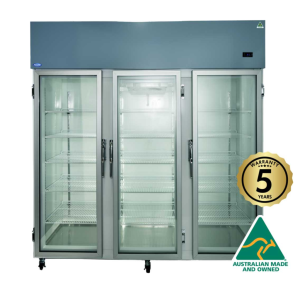
Mid-sized vaccine fridges are also available where you need more space than an under-bench model but do not need a large upright fridge. For very high-volume sites, larger two-door and three-door vaccine fridges are typically used in hospitals, busy pharmacies, high-throughput medical centres and laboratories.
An under-counter vaccine fridge is usually suitable where floor space is limited, stock volume is moderate and the fridge needs to fit below a bench or counter. These models are common in smaller clinics, consulting rooms, treatment rooms and pharmacies with limited space.
An upright vaccine fridge is usually better where more capacity is needed, stock needs to be organised across more shelves, or the facility stores larger volumes of vaccines and temperature-sensitive medicines. Upright models are often easier to access and manage for higher-volume sites.
When comparing under-counter and upright models, check internal capacity, external dimensions, door swing, ventilation clearance, shelf layout, monitoring features, alarm functions and whether the location allows staff to access the fridge safely and easily.
A glass-door vaccine fridge makes it easier to see stock without opening the door. This can help staff find items more quickly and may reduce unnecessary door openings. Glass-door models are useful where visibility and stock identification are important.
A solid-door vaccine fridge generally provides better insulation and may be preferred where visibility is less important, where the room is warmer, or where temperature stability and lower heat gain are the main priorities.
The right choice depends on the facility, room conditions, how often the fridge is accessed, how stock is managed and whether visibility or insulation is more important for the site.
Important vaccine fridge features include accurate temperature control, fan-forced air circulation, current, minimum and maximum temperature display, high and low temperature alarms, lockable doors, stable shelving and fast temperature recovery after door openings.
Depending on the site, useful additional features may include inbuilt data logging, USB data export, wireless monitoring, SMS or email alerts, remote alarm contacts, battery backup, UPS compatibility, solid or glass door options and adjustable shelving.
ENLAKE can help compare these features across different brands, cabinet sizes and price points so you can choose a vaccine fridge that suits your facility and cold chain requirements.
A vaccine fridge needs a current, minimum and maximum temperature display so staff can check and manually record temperatures. Strive for 5 requires current, minimum and maximum temperatures to be checked and recorded twice daily: before the refrigerator is used for the first time each day and at the end of the day.
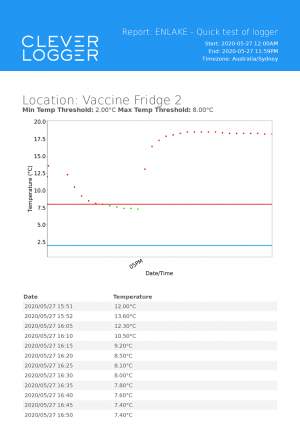
Strive for 5 also requires continuous temperature monitoring. This is usually done with a vaccine fridge data logger, either built into the vaccine fridge or supplied as a separate device. A data logger records temperatures over time and is useful for audits, reviewing temperature patterns, identifying cold spots and investigating possible cold chain breaches. Where a data logger is used, the data should be downloaded at least weekly, in addition to twice daily manual temperature recordings.
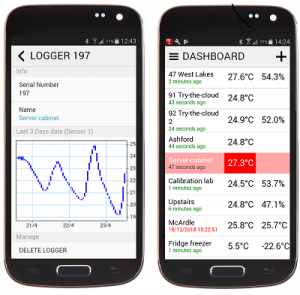
For sites with higher stock value, larger vaccine volumes or greater cold chain risk, wireless vaccine fridge monitoring systems can provide extra protection. These systems can provide real-time temperature readings and send alerts by SMS or email if the fridge temperature moves outside the required range. They do not replace the need for twice-daily minimum and maximum temperature checks, but they can help provide earlier warning of a problem.
A UPS backup power solution may also help reduce risk during power outages.
Yes. Strive for 5 requires continuous temperature monitoring for vaccine refrigerators. This is usually done with a data logger, an inbuilt fridge logger, or an automated temperature monitoring system. A data logger should be set to record temperatures at minimum 5-minute intervals and should be programmed to alert staff when a temperature outside +2°C to +8°C is recorded.
Data logger information should be downloaded and reviewed at least weekly, or more often if required by your organisation, state or territory health department, or the equipment manufacturer. If an automated monitoring system is used instead, reports must still be reviewed at least weekly.
Twice-daily manual checks of the current, minimum and maximum temperatures are still required, even when a data logger, inbuilt logger or wireless monitoring system is in use. This is because automated systems can fail, and manual records help identify issues and support cold chain assessment.
If a vaccine fridge records a temperature outside 2°C to 8°C, affected vaccines must not be used or discarded until the event has been assessed. Keep the vaccines refrigerated between 2°C and 8°C where possible, isolate the affected stock and clearly label it “Do not use / Do not discard”.
Staff need to review the temperature history, including data logger records, the minimum and maximum temperatures reached, how long the fridge was outside range and which vaccines were affected. This information is used to assess the event and decide whether the vaccines remain suitable for use.
Under Strive for 5, vaccine temperatures below 2°C or above 8°C must be reported to the relevant state or territory health department. A single temperature rise above 8°C is not treated as a cold chain breach if it reaches no higher than 12°C and lasts no longer than 15 minutes, such as during restocking or checking stock.
For privately purchased vaccines, the vaccine manufacturer may also need to be contacted for advice. Reliable alarms, temperature displays, data logging and staff procedures help identify problems early and provide the records needed for cold chain assessment.
Medical centres, pharmacies, hospitals and other facilities that store vaccines need a documented backup plan for power failures. A power outage can cause a vaccine fridge to rise above +8°C, and the time available before vaccines are at risk depends on the fridge design, room temperature, door openings and the amount of stock inside the cabinet.
A backup plan may include a generator, battery backup, UPS, alternative monitored purpose-built vaccine refrigerator, or prepared cooler. Any alternative storage must keep vaccines between +2°C and +8°C and be monitored with a minimum/maximum thermometer or data logger.
A UPS system can help reduce risk during short power interruptions by keeping selected equipment operating for a limited period. It does not replace a full cold chain procedure, but it can form part of a broader power failure plan.
Facilities should practise their backup plan, including packing vaccines into alternative monitored storage, so staff can respond quickly in a real power failure. The Strive for 5 guidelines include a power failure checklist that can be used as a reference for local procedures.
Wireless temperature monitoring can add another layer of protection by sending alerts when the fridge temperature moves outside the required range, including after hours. This is especially useful where vaccine stock is high value, access is limited, or staff need early warning of a possible cold chain issue.
ENLAKE has specialised in medical and laboratory refrigeration since 2009. We work with medical centres, pharmacies, universities, public and private hospitals, research institutes, veterinary clinics and laboratories across Australia. The benefit of buying from ENLAKE is choice backed by detailed product and industry knowledge.
Vaccine fridge requirements vary depending on stock volume, available space, room temperature, clearance, door swing, monitoring requirements and budget. ENLAKE can help you compare the options and avoid choosing a fridge that is poorly suited to your site.
Because ENLAKE has one of Australia’s largest ranges of vaccine fridges, we can compare different manufacturers, models, sizes and feature sets across under-bench, upright, glass-door, solid-door and large-capacity vaccine fridges.
All vaccine fridges sold by ENLAKE are compliant with Strive for 5 vaccine storage requirements and are designed to maintain vaccines between 2°C and 8°C. ENLAKE can also help with related cold chain equipment, including vaccine fridge data loggers, wireless monitoring systems, min/max thermometers, UPS systems and vaccine fridge accessories.
Yes. ENLAKE can help you choose vaccine fridges for new clinics, pharmacies, hospitals, universities, laboratories and other healthcare or research facilities.
This is useful when the fridge location, room size, ventilation, power supply, door swing, stock volume or monitoring requirements need to be considered before the site is finalised. Choosing the right model early can help avoid clearance, access, temperature control or capacity problems later.
ENLAKE can also assist where multiple fridges, vaccine monitoring equipment, UPS systems or other medical and laboratory refrigeration products are being planned as part of the same fit-out.